Cheng An Beijing Limited Liability Company
+86-010-56130888
 LanguageLanguage
Huayue:Your Leading Bearings for German INA Supplier
Our company is an enterprise specializing in bearing exports. After years of development, our sales areas cover the world and have achieved a series of impressive performance and achievements. We will continue to uphold the business philosophy of "integrity, cooperation, and win-win", continuously improve product quality and service levels, and create greater value and achievements for our customers.
Global Shipping
Our bearing products are exported to more than 50 countries and regions in Europe, America, Asia, Africa, etc.
Quality Control
Our products have undergone strict quality testing and certification, comply with international standards and customer needs, and can create greater value and profits for customers.
24H Online Service
Our company has rapid response capabilities and provides 7×24-hour full response service.


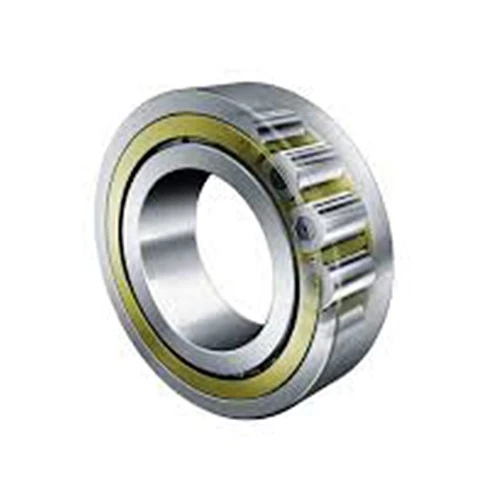


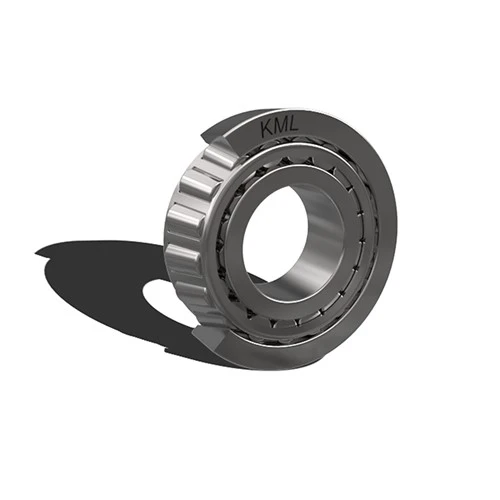


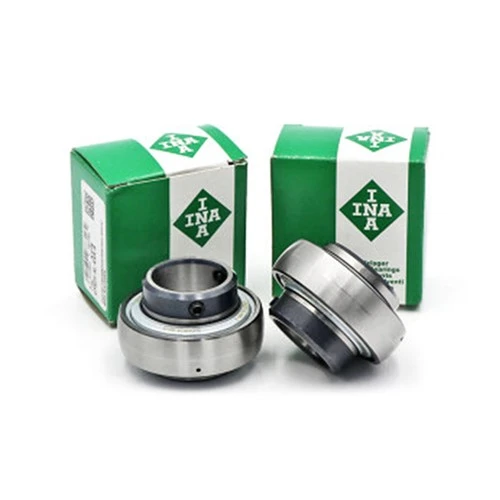

1.Precision Engineering:
Bearings for German INA is known for its precision engineering and high-quality materials. Bearings for German INA will reduce friction and achieve better load distribution, improving overall performance and efficiency.
2.High efficiency:
Due to the improved surface quality, the load rating of Needle Roller Bearings for INA has been greatly improved. Compared with existing needle roller bearings, the rated dynamic load can be increased by 13%. The significant increase in load ratings results in superior performance, longer service life, lower lubrication loads, less friction and lower bearing temperatures. The advantages of all these advances include improved cost-effectiveness and efficiency of applications.
3.Reduced Friction:
One of the main benefits of Bearings for German INA is its ability to reduce friction between moving parts. The reduction in friction results in reduced heat generation and energy loss, allowing the machine to run at higher speeds and consume less power.


4.Long service life and durability:
Bearings for German INA are designed to withstand heavy loads and harsh working conditions. Their sturdy construction and high-quality materials ensure they have a longer service life, reducing the need for frequent replacement and maintenance.
5.Quiet Operation:
Bearings for German INA are engineered to provide smooth, quiet operation. Their low noise levels make them ideal for applications where noise reduction is critical, such as precision machinery and automotive systems.
6.Wide range of applications:
Bearings for German INA cater to a wide range of industries and applications, including automotive, aerospace, industrial machinery, and more. Their versatility and adaptability make them the first choice for a variety of industrial needs.
ball bearings
Ball bearings use rolling balls to reduce friction and can carry radial or thrust loads. They are compact in design, require minimal lubrication, and are cost-effective. However, these types of bearings have limited load capacity, are sensitive to misalignment and contamination, and may produce noise. They are used in electric motors, automotive wheels, machinery, aerospace and household appliances.
Choose the right ball bearing
When selecting a ball bearing, a variety of factors must be considered, such as load capacity, speed and accuracy requirements, dimensional and fit compatibility, lubrication and sealing requirements, runout and stiffness tolerances, suitability of materials and construction for the environment, ETC.
Types of ball bearings:
miniature bearings
Miniature bearings provide high precision and reliability, low noise and vibration levels, reduced weight and friction, and improved energy efficiency. They are ideal for confined space or high speed applications and can handle both radial and axial loads.
Thin wall bearings
Thin-wall bearings offer advantages such as smaller cross-section, reduced weight, higher performance, etc. Precision, lower torque and friction, and high-speed capabilities make it ideal for space-constrained, weight-sensitive high-speed applications with greater efficiency and energy consumption.
Flange bearing
Flange bearings have a flange on the outer ring that simplifies installation on the shaft or housing. They are suitable for applications where space is limited or where fixed components are required, and they can withstand radial and axial loads.
Self-aligning ball bearings
Aligning ball bearings have a continuous spherical outer ring raceway that allows the inner ring and balls to complement the rotating device for self-alignment. They absorb radial forces, are ideal for shafted applications and housing misalignment, and feature a double row of balls guided by a cage and inner ring raceway.
Angular contact ball bearings
Angular contact ball bearings are ideal for combined loads because their specific contact angle enables force transmission between the two raceways. They are suitable for various industrial applications requiring precise and high-performance operation, especially for transmitting high axial and radial forces.
Deep groove ball bearing
Deep groove ball bearings are versatile and can withstand high radial and axial loads, low friction, and high-speed operation. They are designed to be simple, easy to maintain and suitable for a variety of applications. These types of bearings have low torque and are ideal for high speed operation.
Thrust ball bearing
Thrust ball bearing is a bearing that can bear axial load in one or two directions at high speed. They feature low friction, high precision and compact design, are easy to install and maintain, and are often used in conjunction with other bearings to support rotating machinery.
Roller bearing
Roller bearings utilize cylindrical, conical, spherical or needle rollers to evenly distribute load, reduce stress and friction, and achieve smooth motion. Advantages include high load capacity, improved efficiency, good rigidity, high precision, low vibration, easy maintenance, and axial displacement adjustment. Disadvantages include higher cost and noise. These types of bearings are used in automotive, industrial, aerospace, construction, energy, railways, marine and more.
How to choose the right roller bearing
When selecting the appropriate roller bearing, consider factors such as load capacity, speed requirements, operating conditions, fit and installation, and budget. Below are some common roller bearing types.
Types of roller bearings
Tapered Roller Bearings
Tapered roller bearings utilize tapered rollers to carry radial and axial loads, providing high load capacity and effective force transmission. They are widely used in various industries and provide reliable performance and durability.
Cylindrical Roller Bearings
Cylindrical roller bearings use cylindrical rollers to provide high radial load capacity and good rigidity. They are widely used in different industries and feature reliable performance, long service life and low friction.
Spherical roller bearing
Spherical roller bearings have barrel rollers arranged in two rows, providing high radial load capacity and the ability to accommodate misalignment. They are used in a variety of heavy-duty applications and provide excellent durability and performance.
Needle roller bearings
Needle roller bearings use thin cylindrical rollers that are longer than their diameter to provide high radial load capacity in tight spaces. They are widely used in various industries and provide excellent performance, reliability and space-saving design.
Spherical roller thrust bearing
Spherical roller thrust bearings use asymmetric barrel rollers that can withstand high axial force loads and misalignment. They are widely used in a variety of heavy-duty applications and offer superior performance, durability and load-carrying capacity.
crossed roller bearings
Crossed roller bearings utilize a cross arrangement of cylindrical rollers to provide high radial and axial load capacity with low friction. They are widely used in different industries and provide precise motion control, compact design and reliable performance. Maintain these types of bearings through proper lubrication, regular inspections, proper operation, avoidance of overloading and misalignment, and a clean environment.
Sliding bearing
Sliding bearings are a type of bearing that uses low friction materials and lubrication to minimize wear and friction between the two surfaces. Advantages include simplicity of design, self-lubrication and heavy load handling. Disadvantages include higher friction, wear over time, and the need for maintenance. Used for low-friction sliding or rotational motion in various industries including automotive, aerospace and power generation.
How to choose the right sliding bearing
When selecting plain bearings, load capacity, operating conditions, bearing type, material selection, lubrication, clearance, mounting and alignment, etc. must be considered.
Types of sliding bearings:
Sleeve Bearing: The bearing type is cylindrical bearing with a simple design that reduces friction between moving parts.
Spherical bearing: A type of bearing with a spherical inner ring and a concave outer ring, used for swing or tilt motion.
Linear Bearings
Linear bearings are a type of bearing that uses a carriage with rolling elements that move along a guide or track to achieve smooth and precise linear motion. Advantages include high precision, low-friction motion and long service life. Disadvantages include higher cost and sensitivity to dirt, debris and potential noise or vibration. Widely used in CNC machine tools, industrial automation, medical equipment, printing and packaging machinery and other fields.
How to choose the right linear bearing
When selecting a linear bearing, consider factors such as load capacity, operating conditions, bearing type, material selection, lubrication, clearance, mounting, cost-effectiveness, and the manufacturer's reputation for reliable and efficient linear motion.
Types of linear bearings:
Linear ball bearing: A bearing type with smooth linear motion, high precision and strong load-bearing capacity.
Linear Sleeve Bearing: Low friction, low noise bearing type suitable for light load applications.
Mounted linear bearings: Easy-to-install bearing types suitable for a variety of linear motion applications.

manufacturing process
The manufacturing process of Bearings for German INA involves multiple complex steps to ensure the production of high quality and reliable bearings. Let's take a closer look at these steps:
1. Raw material selection: INA carefully selects bearing raw materials, considering factors such as strength, durability and corrosion resistance. They mainly use high-quality steel and other metals to manufacture bearing components.
2. Forging: Selected steel undergoes a forging process where specialized machinery is used to heat and mold it into the desired shape. This process increases the bearing's strength and durability.
3. Mechanical processing: After forging, the bearings undergo various mechanical processing to obtain precise dimensions and smooth surfaces. Computer Numerical Control (CNC) machine tools are used to perform operations such as turning, milling, and grinding.
4. Heat treatment: Heat treatment is a crucial step in the bearing manufacturing process. It involves a controlled heating and cooling process of the bearing to optimize its mechanical properties, such as hardness and toughness.
5. Assembly: Once the various components are ready, Bearings for German INA hires skilled technicians to assemble the bearings. The process involves fitting the inner and outer rings, rolling elements, cages and seals together to form a complete bearing unit.
6. Quality Control: Bearings undergo strict quality control inspections before leaving the manufacturing plant. INA uses advanced testing methods such as dimensional inspection, material analysis and durability testing to ensure its bearings meet the highest standards.

Contribution to the industry
Bearings for German INA has made significant contributions to the bearing industry through continuous innovation and focus on customer satisfaction. Some noteworthy contributions include:
1. High-precision bearings: Bearings for German INA is famous for its high-precision bearings, which are widely used in industries that require precise motion control, such as machine tools, robots, medical equipment, etc.
2. Automotive solutions: Bearings for German INA focuses on the automotive field, providing a wide range of bearings and precision components for engines, gearboxes, steering systems and other applications. Their products help increase efficiency, reduce emissions and improve driver comfort.
3. Research and Development: Bearings for German INA invests a lot of resources in research and development to stay at the forefront of bearing technology. They work with leading institutions and universities to develop innovative solutions for various industries.
4. Sustainable development initiatives: As a responsible manufacturer, Bearings for German INA actively promotes sustainable development and environmental management. They strive to minimize their carbon footprint through energy-efficient manufacturing processes and the use of environmentally friendly materials.
5. Global influence: Bearings for German INA has a strong global influence, with manufacturing plants, sales offices and distribution networks spread across all continents. Their extensive network ensures that customers around the world have access to their high-quality products and reliable services.
Bearings for German INA are precision parts, so they require great caution when using them, that is, high-performance thrust ball bearings are used. If used improperly, the expected performance results will not be achieved, and the bearings will be easily damaged. Therefore, the following matters should be paid attention to when using bearings:
Even invisible dust entering a bearing can increase bearing wear, vibration and noise.
It is not allowed to press hard, hit the bearing directly with a hammer, and transmit pressure through the rolling elements. I hope to unpack the Bearings for German INA again when installing the device. When lubricated with ordinary grease, the bearing does not need to be cleaned and grease is added directly. When the oil is smooth, cleaning is generally not required, but for instruments or high-speed bearings, clean oil should be used to remove the anti-rust agent coated on the bearings. Bearings with anti-rust agent removed are prone to rust and should not be left carelessly.

1. Keep the bearing and its surrounding environment clean. Even if invisible dust enters the thrust ball bearing, it will increase the wear, vibration and noise of the bearing.
2. When using this device, be careful and careful not to allow strong stamping, direct hammering of the bearings, or transmission of pressure through rolling elements.
3. Use appropriate and precise equipment and tools, try to use special tools, and try to avoid using cloth and short fibers.
4. In order to prevent the bearing from rusting, when holding the bearing directly with your hands, you should wash off the sweat on your hands and apply high-quality mineral oil before stopping the operation, and pay special attention to preventing rust during use.
However, under some special working conditions, thrust ball bearings can obtain a better life than traditional calculations, especially under light loads. These special operating conditions are when the rolling surfaces (guide rails and rolling sections) are effectively isolated by a smooth oil film and limit the appearance that may be caused by contaminants. In fact, under ideal conditions, so-called permanent bearing life is possible.
The life of a German INA bearing is defined as the number of revolutions (or the number of hours running at a certain speed) within which initial fatigue damage (flaking or defects) should occur on any ring or rolling element of the bearing. However, whether in laboratory experiments or practical applications, it can be clearly seen that the actual life of thrust ball bearings with the same appearance under the same working conditions varies greatly. There are also several different definitions of bearing "life", one of which is the so-called "operating life", which represents the actual life a bearing can achieve before being damaged by wear, which is not usually damage caused by wear.
Our pre-sales service team will provide necessary product information and technical support to help customers understand our products and services. Customers can contact us through a variety of channels, including phone, email, online chat and social media. We will try our best to answer all questions raised by customers and send detailed quotations and samples to customers within a short time.
After the order is confirmed, we will arrange professional sales personnel to follow the order, responsible for communication and coordination with customers, ensuring the smooth progress of the production plan, and providing timely feedback on the production progress to customers. We ensure that every aspect of the production process is inspected by professional quality control personnel. If customers have special requirements, we will try our best to meet them.
Our after-sales service team will follow up on sample status and order delivery, and communicate feedback with customers regularly to ensure customer experience. During the warranty period, if there is a problem with the product, we will deal with it promptly and provide customers with the best technical support. If customers have any needs or problems, we will communicate and resolve them as soon as possible.
Who produces Bearings for German INA?
Schaeffler Group INA and FAG are brands of the Schaeffler Group that provide rolling bearings, plain bearings, linear guide systems, maintenance products and other industrial products.
How to choose thrust bearing?
If the load is mainly radial (perpendicular to the axis), use a radial bearing, if the load is mainly axial (in the same direction as the axis), use a thrust bearing. Axial loads are sometimes called thrust loads.
Which bearing type is best?
Angular contact ball bearings also generate very little heat under combined loads. Therefore, both types of bearings are best suited for high-speed applications. Single row roller contact bearings are also suitable for high speeds.
Which bearing is the most efficient?
Angular contact bearings are the best bearing choice for high-speed applications. One reason is that the balls are smaller, and smaller balls weigh less and create less centrifugal force when spinning.
What are the differences between different types of bearings?
The main difference is the amount of force applied to the bearing, often called the "load weight." Therefore, ball bearings can handle smaller weight loads, while roller bearings can handle heavier loads. Ball bearings can withstand thrust and radial loads so that they can handle properly when in motion.
How to identify bearing type?
The starting number in a bearing number is significant because it usually indicates the type of bearing. It helps determine the core design of the bearing. For example, in "6206", the first number "6" means "single row deep groove ball bearing".
How are bearings specified?
The combinations of numbers and letters have the following meaning: The first number or letter or combination of letters identifies the bearing type and ultimately the basic variant. The next two digits indicate the ISO size series. The first number indicates the width or height series (size B, T or H).
What is the simplest type of bearing?
Sliding bearings, or more commonly sliding contact bearings and plain bearings (sometimes called solid bearings, journal bearings or friction bearings in rail transport) are the simplest bearing types, consisting only of the bearing surface and no rolling elements.
What is the working principle of bearings?
The inner ring is installed on the shaft, and the outer ring is installed in the fixed component through which the shaft passes. As the shaft rotates with the inner ring, the balls begin to rotate within the cage. And relative motion is established between the inner ring and the outer ring with the smallest contact area.
What is the purpose of bearings?
Bearings are "parts that assist the rotation of objects." They support the shafts that rotate inside the machine. Machines that use bearings include cars, airplanes, generators, etc.
What are bearings made of?
Most ball bearings are made from a type of steel called high carbon chromium steel, often referred to as chromium steel. This is used for cost and durability reasons. Bearings are also made from other materials, such as stainless steel, ceramics and plastics.
How does the bearing work?
Azimuth provides direction in the form of a main compass direction (north or south), an angle, and an east or west designation. Azimuth describes a line as pointing north or south, with an angle deflected to the east or west. Therefore, the bearing angle is always less than 90°.
How do bearings stay together?
The bearing fixing pin presses the outer diameter of the inner ring from the end side, and the inner collar presses the outer diameter of the bearing inner ring from the other side to fix the bearing on the shaft.
Why is bearing maintenance important?
Bearings are important mechanical components that are responsible for the smooth movement of machine parts. To maintain optimal performance for as long as possible and avoid bearing failure, proper regular maintenance and inspections should be performed.
Are there standard sizes for bearings?
Sizing a ball bearing involves determining the bore diameter, outer diameter, and width of the bearing. These measurements are usually standardized and can be found in the manufacturer's specifications or on the bearing itself.
How to store bearings?
Ideally, bearings should be stored in a place with low humidity, i.e. below 60% relative humidity. Bearings should never be stored on the floor, but should be stored on racks or pallets at least 20 cm above the floor.
Do bearings need maintenance?
In order to maintain the original performance of the bearing for as long as possible, proper maintenance and inspection must be carried out. If the correct procedures are used, many bearing problems can be avoided, thereby improving the reliability, productivity and operating costs of equipment containing bearings.
As one of the leading bearings for german ina suppliers in China, we warmly welcome you to buy or wholesale cheap bearings for german ina from our factory. All our products are with high quality and low price. Contact us for more details.
Linear Bearings for German INA, Seal seat assembly ball screw bearing, Bearings for German INA(0/10)


