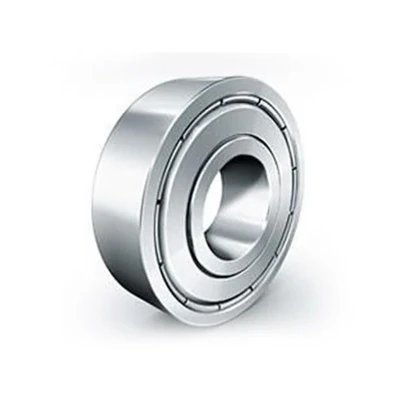
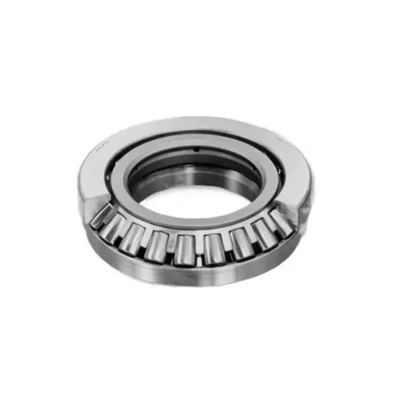
A ball bearing is not a wheel. Although they share some similarities in function, they are not the same thing.
A ball bearing is a type of rolling-element bearing that uses balls to maintain separation between moving parts. Its main purpose is to reduce friction and allow rotational motion between two objects. This type of bearing is commonly used in a variety of machinery, including automobiles, aircraft, bicycles, and industrial equipment.
On the other hand, a wheel is a type of circular object that rotates around an axle. It is typically used for locomotion or for transporting goods and people. Wheels are found in a wide range of applications, from vehicles such as cars, trucks, and bicycles, to machinery and equipment such as pulleys, gears, and conveyor systems.
While both ball bearings and wheels are used to enable rotation, they serve different purposes. A ball bearing is a component within a machine that helps to reduce friction and enable smooth movement between two parts. A wheel, on the other hand, is a complete assembly that is attached to a machine and acts as a point of contact with the ground, enabling it to move forward or backward.
In addition, a wheel can also be designed to perform other functions besides rotating, such as acting as a gear or pulley. Ball bearings, on the other hand, are typically only used for rotational motion. They do not perform any other functions or provide support for a machine in the same way that wheels do.
It is important to note that both ball bearings and wheels are essential components in many machines and equipment. They allow for smoother movement and reduce the amount of friction between moving parts. As a result, they help to increase efficiency and improve the performance of a wide range of equipment.
It is important to understand the differences between ball bearings and wheels. While they share some similarities in function, they are not the same thing. A ball bearing is a small component that reduces friction, while a wheel is a larger assembly that enables locomotion and other functions. Both are important in their own way and play a vital role in the operation of many machines and equipment.