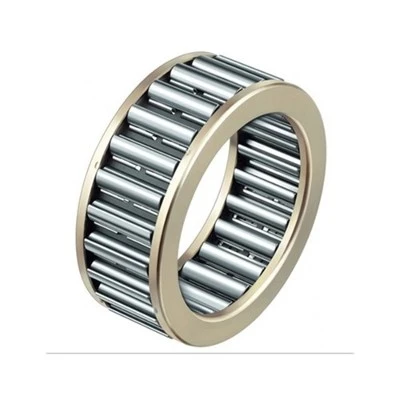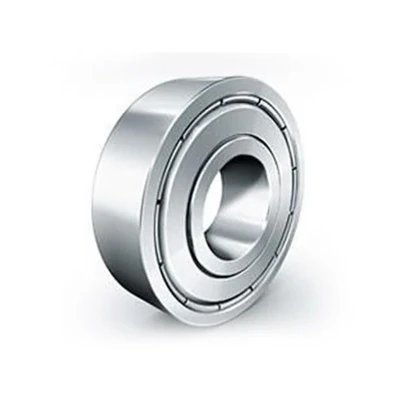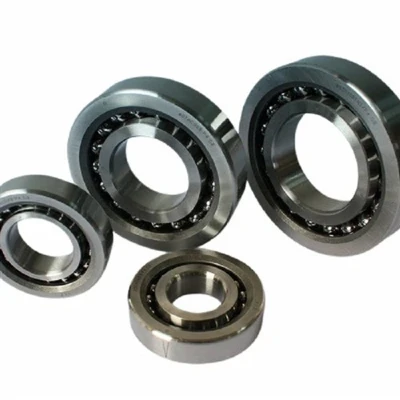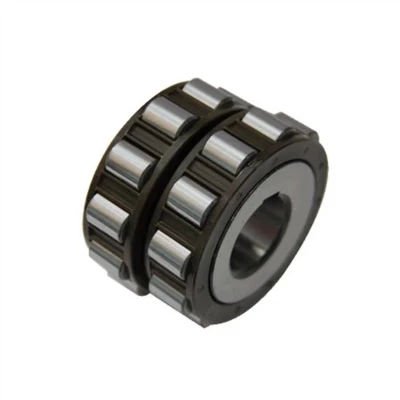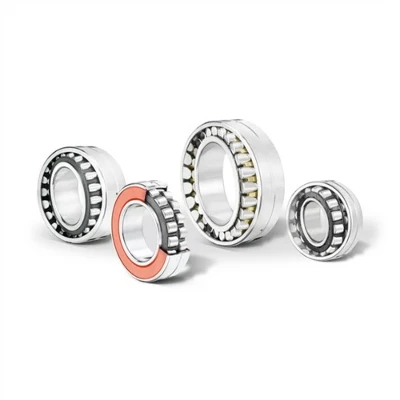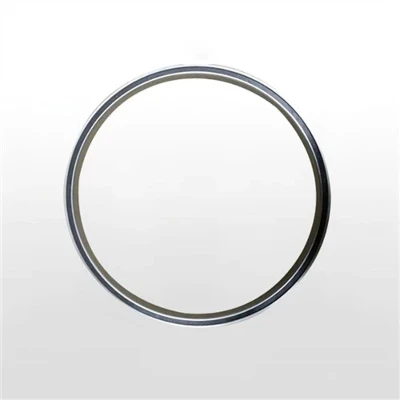



A rolling bearing is a bearing that uses rolling elements to support loads and reduce friction. In contrast to ball bearings, rolling bearings have barrel-shaped rolling elements instead of spherical balls. They are capable of carrying greater loads than similarly sized ball bearings, but cannot handle as high speeds as ball bearings. Roller bearings consist of an inner ring and an outer ring that house the bearing rollers and the bearing cage. Cages, also known as cages or separators, maintain the spacing between the rollers and keep the bearings together.
There are many types of rolling bearings, each with different designs for different applications; cylindrical, spherical, tapered and needle rollers are the four main types of rolling bearings, and cylindrical roller bearings withstand high radial loads and low thrust loads at high speeds; They are also adapted to rapid acceleration. Spherical roller bearings have two rings on the inner raceway to handle various loads and alignment issues, and the rollers share a single spherical outer ring. With two rows of spherical barrel rollers, spherical roller bearings can withstand large radial loads and certain axial loads in two directions.
They are self-aligning to solve shaft misalignment and installation problems, tapered roller bearings contain tapered inner and outer raceways and rollers to accommodate both radial and thrust loads. Tapered roller bearings provide true rolling motion and low friction, ideal for supporting heavy loads. Needle bearings use slender cylindrical rollers to support radial loads. Has a thinner cross-section than other roller bearings.