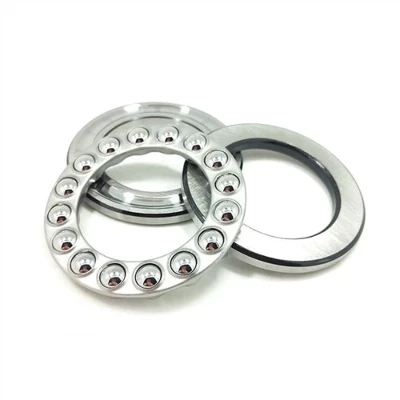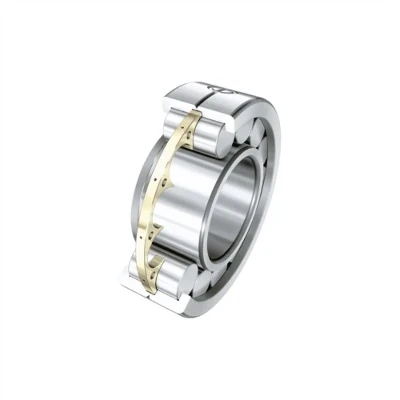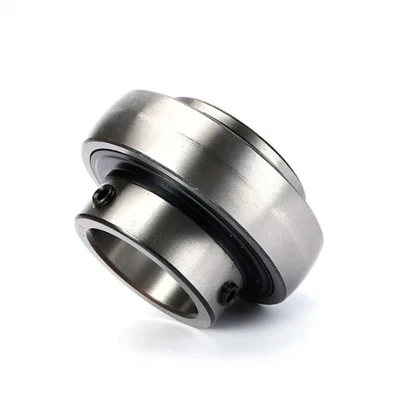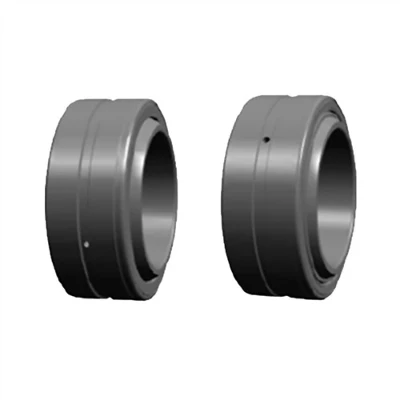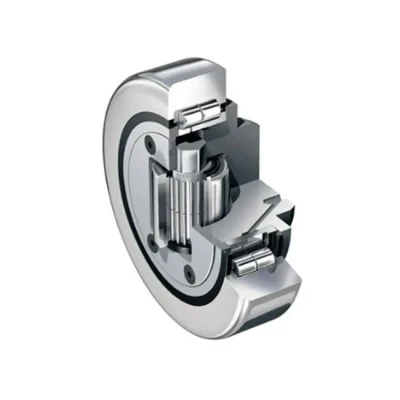



Ball bearings are small mechanical devices, usually in the form of small metal balls, that are designed to reduce friction and support rotational or linear motion. They are commonly used in machinery, such as cars, bicycles, and industrial equipment, where they play a critical role in providing smooth and reliable operation.
Ball bearings work by placing a number of small, precisely engineered balls between two rotating surfaces. The outer ring of the bearing is typically stationary and the inner ring rotates, ensuring that the balls are constantly in motion. As the inner ring rotates, the balls roll around in the grooves between the two surfaces, reducing friction and allowing the surfaces to rotate smoothly.
In essence, ball bearings are designed to replace the sliding friction between two surfaces with rolling friction, which is much more efficient and produces less wear and tear on the surfaces involved. This makes them an essential component in many machines and mechanical systems, particularly those that require high levels of precision and reliability.
The use of ball bearings dates back to the Ancient Greeks, who are said to have used them in their siege engines and other machinery. However, it was not until the Industrial Revolution that ball bearings began to be produced on a large scale and used extensively in manufacturing and industry.
Today, ball bearings come in a wide range of sizes and materials, from miniature bearings used in precision instruments to large bearings used in heavy machinery and industrial applications. They are typically made from steel or ceramic materials, although other materials such as plastic, brass, and bronze are sometimes used.
The design and construction of ball bearings are critical to their performance and longevity. Factors such as the size, shape, and spacing of the balls, the material and hardness of the surfaces, and the lubrication used can all affect the efficiency and durability of the bearing. For this reason, manufacturers invest considerable time and resources in developing and testing new bearing designs and materials.
There Are Many Different Types Of Ball Bearings, Each With Its Own Specific Applications And Benefits. Some Common Types Include:
1. Radial ball bearings - these are designed to support radial loads, which are perpendicular to the axis of rotation. They are commonly used in machinery such as electric motors, fans, and pumps.
2. Angular contact ball bearings - these are designed to support both radial and axial loads, which are parallel to the axis of rotation. They are commonly used in applications such as automotive wheel hubs, machine spindles, and thrust bearings.
3. Self-aligning ball bearings - these are designed to compensate for misalignments between the shaft and housing. They are commonly used in applications where the bearing is subjected to shock or vibration, such as in mining and construction equipment.
4. Deep groove ball bearings - these are designed to support both radial and axial loads, and are characterized by their deep raceway grooves. They are commonly used in high-speed applications such as electric motors and machine tools.
In addition to the above types, there are many specialized ball bearings designed for specific applications, such as aerospace bearings, medical bearings, and skateboard bearings. Regardless of the specific type or application, all ball bearings share the same fundamental role in reducing friction and supporting smooth motion.
Ball bearings are essential components in many machines and mechanical systems. Their ability to reduce friction and provide reliable support for rotational or linear motion has revolutionized the field of manufacturing and industry. Advances in bearing design and materials continue to drive innovation in many areas, and ball bearings are likely to remain a critical part of the modern world for generations to come.